
Nivin Sewpershad, Group Sales Manager - Programmatic from JCDecaux shares his perspective on the importance of creative to the success of Programmatic DOOH - 40% of the ROI of Out of Home comes from the creative - and if you read to the end, he might just buy you lunch at Bivacco...

Author: Nivin Sewpershad,
Group Sales Manager - Programmatic, JCDecaux New Zealand
Our industry has never been more sophisticated at buying media. Programmatic DOOH allows brands to target audiences, respond to real-world triggers such as weather and time of day,
and optimise campaigns in near real time. We have spent years championing this technology, and rightly so.
But then the brand runs creative that looks as though it was designed to disappear halfway down a social feed.
The buying got smarter, but the creative doesn't always fit as well as it should.
Programmatic DOOH solves a media-buying problem. What has not evolved at the same pace is the creative going into the platform.
We have built increasingly sophisticated pipes, but we are not giving enough thought to what is flowing through them. The smartest programmatic buy in the world still cannot rescue forgettable creative or creative lifted and shifted from device based environments.
Analytic Partners has identified that 40% of the ROI of Out of Home comes from the creative. That matters because work designed for frequency and engagement but not impact will not necessarily work in the real world.
Right now, I see a gap between the intelligence of the buying and the quality of the creative — wide enough to drive a SUV through.
We’ve been here before
In the early days of programmatic digital advertising, the technology was revolutionary: automated buying, real-time bidding and data-driven targeting.
But programmatic quickly became associated with remnant inventory and low-quality placements. Ads appeared on obscure websites, wedged between clickbait headlines and impossible-to-close pop-ups.
The result was a glut of supply, collapsing CPMs and a perception that programmatic meant cheap inventory. Publishers even joked that RTB stood for “race to the bottom”.
Programmatic digital has rebounded from this perception, but it is not something the DOOH industry needs to repeat.
Programmatic buying, for premium inventory
Some media owners worry about what the word “programmatic” signals for the value of their inventory. Media agencies can hear it and instinctively reach for the digital playbook: lower CPMs, remnant-first thinking and efficiency over impact.
It is an understandable reflex. It is just the wrong one.
Programmatic DOOH is a smarter and faster way to buy billboard space. The billboard is still premium (especially if you are buying JCDecaux programmatically). The audience is still physically present. The marketing principles have not changed.
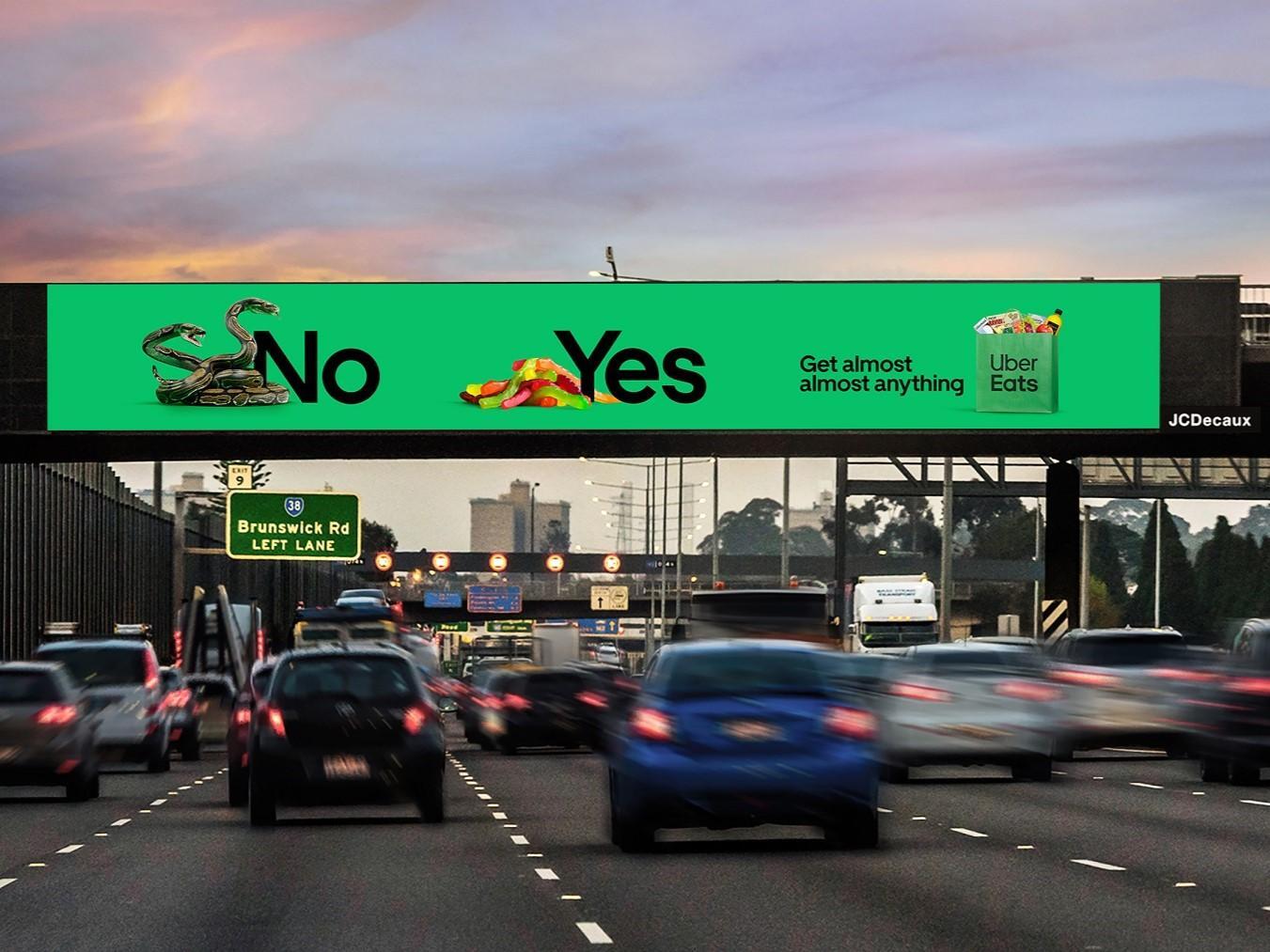
The creative needs to be designed for how and where it will be seen.
Creative matters
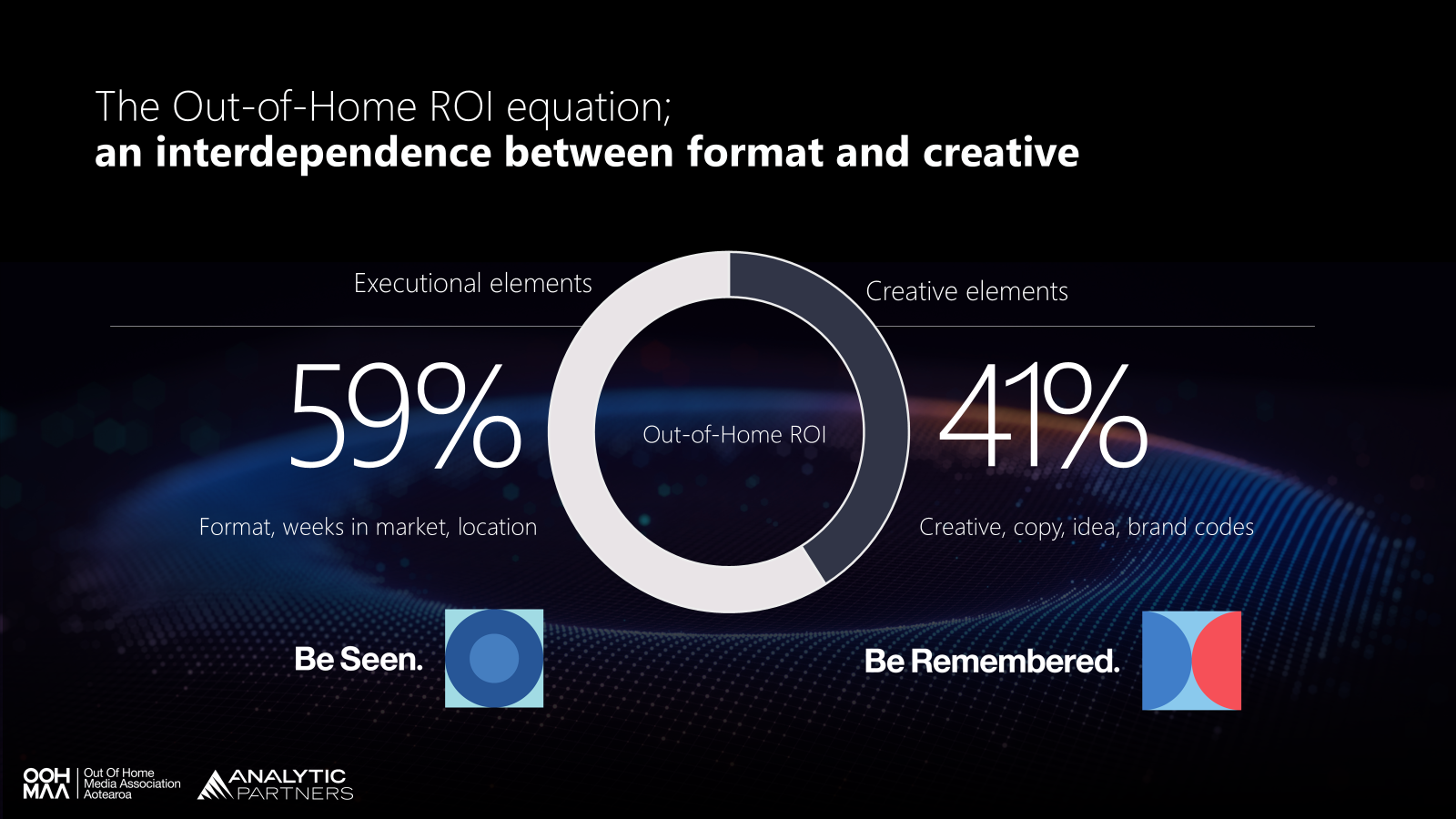
The case for strong DOOH creative is not just aesthetic. It is commercial.
Out of Home can be one of the most effective advertising environments, but only when the creative works with the medium.
Ever heard of 3/7/10? Three elements, seven words or fewer, and branding taking up at least 10% of the available space.
It is a useful starting point: one idea, one visual, a short headline and clear branding. Then add the ingredients that make advertising interesting — surprise, delight or something that makes people turn towards it.
The research is consistent. Ipsos research shows single-focused messages in DOOH perform 44% better than creative trying to communicate multiple ideas. Showing the product can increase effectiveness by up to 61%, while including a brand tagline drives a 24% positive shift in consumer behaviour.
Creatively awarded DOOH campaigns are also 11 times more efficient at driving share-of-market growth.
Brand results are important, but business results are why advertisers come back.
The problem with the process
Here is how too many programmatic DOOH campaigns roll out.
A media agency builds a clever buy: audience targeting, data triggers and premium locations. Then, somewhere near the end, someone asks the creative team for assets.
The creative team may never have spoken to anyone from the OOH industry. They may have only a vague idea of dwell time, screen environments or how quickly the message needs to land.
So something designed for social or digital display is repurposed. It arrives at spec. The campaign runs. Everyone
moves on.
We are using one of the most visible advertising formats in the world to run creative originally designed to reach people halfway through a doomscroll.
The elephant in the room
Media owners and agencies can be nervous about bringing creative agencies into the conversation. Partly, it is process. Creative teams do not sit neatly inside the usual workflow, and nobody wants to add another stakeholder to an already compressed timeline.
But there can also be uncertainty. Media people are not always sure how to talk to creative directors about the channel. So we send a spec sheet instead and hope for the best.
Creative agencies are not the problem. The process is.
When creative directors or people understand the canvas, many find OOH one of the most exciting briefs they have been given. It is physical, unavoidable and rewards bold thinking in a way that a banner often does not.
If we show them the sites where the campaign will appear, we can talk about context, audience and the opportunity to use a particular format in a surprising way.
OOH is one of the last advertising environments where the audience cannot simply swipe past you.
That is a huge creative opportunity!
What good DOOH creative requires
The fundamentals of strong OOH creative have not changed. What has changed is the layer of dynamic capability now sitting on top of them.
Programmatic DOOH can serve different messages based on time of day, weather, nearby events or audience composition. Yet many campaigns still run one static asset around the clock — not because the technology is unavailable, but because the creative was never built to use it.
The environment matters too. A roadside format seen at 80km/h is not the same canvas as a transit concourse with a 45-second dwell time. Different environments demand different creative thinking.
For me, the principles are straightforward:
- One message, instantly legible: If the idea cannot be understood in three seconds, simplify it.
- Show the product: Make it big enough to be remembered in-store or out in the world.
- Lead with the brand: Logo, colour and distinctive assets should be visible immediately.
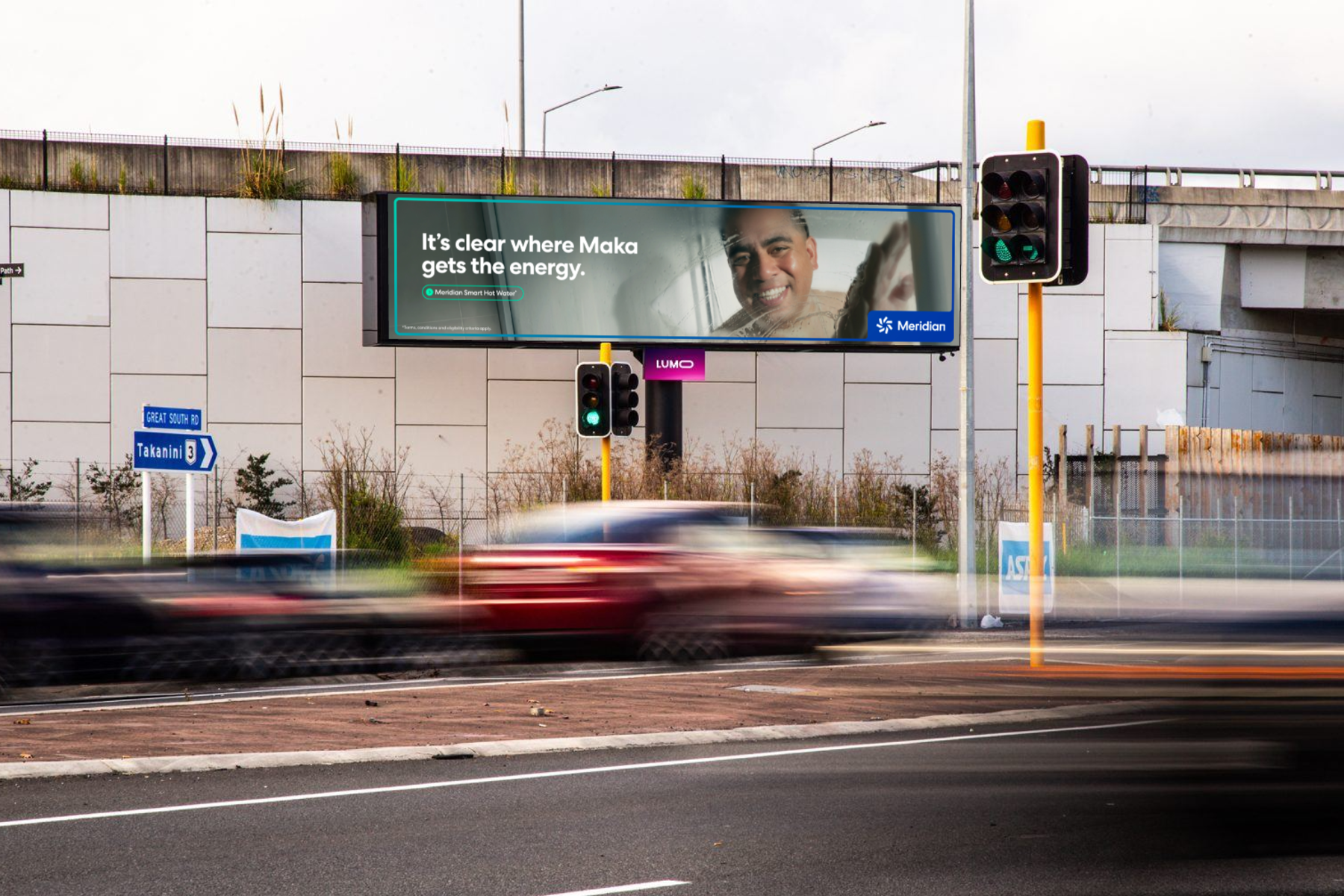
- Use people well: Empathetic, relatable imagery helps people connect. Sad humans that we are, we even respond to people on billboards.
- Use contrast: The brain will not work hard to read something difficult to see.
- Design for the environment: Start with the physical canvas, not a repurposed digital asset.
- Brief for dynamic from day one: If contextual triggers are available, build creative variants from the beginning.
A better conversation
The technology argument for programmatic OOH has largely been won.
The creative argument now needs the same energy.
Brands need to understand that good creative is not an optional extra if they want better campaign results. Media owners should share genuine creative guidance, not just spec sheets. Media agencies should bring creative partners into OOH conversations at the planning stage, not the implementation stage.
Too many campaigns still treat creative as the final deliverable rather than the central idea. Smarter buying does not automatically produce better advertising. The billboard has not changed. The audience has not changed. The marketing principles have not changed. All that has changed is how easily we can buy the media.
That means creative matters more than ever - not less.
So, if we genuinely want better outcomes, perhaps it is time to bring creative agencies into the conversation a little earlier. After all, media people already have a reputation for long lunches and drinks with other advertising people.
Perhaps it is time to take our creative agency friends out to Bivacco for a change, instead of clients?
Friday lunch, anyone?
Thanks for reading to the end. Not many people do. If you are a creative director/person, please reach out to me and I will buy you lunch.







Comments